
Exploring the psychology behind casino gaming Why do we gamble
De geheimen van succesvolle casino strategieën verkennen
February 25, 2026Как эмоции оказывают влияние на темп мышления
February 25, 2026The Allure of Risk and Reward
The psychology of gambling is deeply intertwined with the concepts of risk and reward. Many individuals are drawn to casinos by the thrill of potentially winning big. This desire for a substantial payout often overshadows the reality that the odds are typically against the player. Interestingly, offshore online casinos have become a popular option for those seeking an expansive gambling experience. The unpredictability associated with games of chance activates the brain’s reward system, releasing dopamine, which reinforces the behavior and encourages continued play.
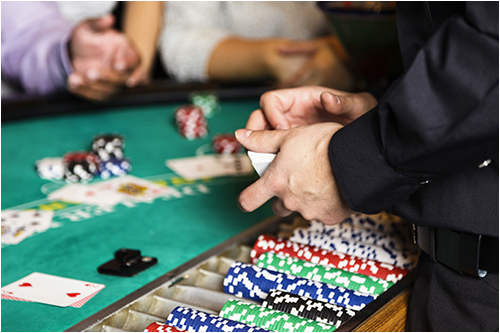
Moreover, the excitement of gambling isn’t solely about monetary gain. Many players find enjoyment in the social interactions and the vibrant environment of a casino. This combination of risk, reward, and community creates a compelling experience that keeps players coming back, despite the inherent risks involved.
Emotional Escapism and Cognitive Biases
Cognitive biases play a significant role in the psychology of gambling. The illusion of control, for instance, leads individuals to believe that they can influence the outcome of a game. This false sense of agency can make gambling feel more appealing, as players convince themselves that their decisions can lead to success. Alongside this, many gamblers use gaming as a means of emotional escapism, turning to games as a distraction from stress or personal issues.
This emotional aspect of gambling is further amplified by the high-stakes atmosphere of casinos, which can evoke strong feelings of excitement and euphoria. Such emotional highs can temporarily alleviate feelings of anxiety or sadness, making gambling an attractive option for those seeking an escape from their everyday lives.
The Role of Habit and Routine
Gambling can quickly become a habitual activity for many individuals. Once a player has experienced success or pleasure from gambling, they may be inclined to repeat the experience, often leading to a cycle of habitual behavior. This pattern can be further reinforced by the physical environment of casinos, which is designed to keep players engaged with bright lights, enticing sounds, and a welcoming atmosphere.
Furthermore, the repetitiveness of gambling routines can create a comforting structure for players. As they develop a specific ritual or set of beliefs surrounding their gambling, they may find solace in the predictability, despite the outcomes being ultimately random. This can create a dependency that is hard to break, making it difficult for individuals to recognize the negative impact of their gaming habits.
The Influence of Marketing and Environment
Casinos are masterful at creating an environment that encourages gambling. From the layout of the gaming floor to the strategic placement of slot machines, every aspect is designed to maximize player engagement. Complimentary drinks, enticing promotions, and loyalty rewards further lure players into spending more time—and money—at the casino.
Marketing tactics also play a crucial role in shaping perceptions around gambling. Many ads present a glamorous image of casino life, highlighting the thrill and excitement while downplaying the risks involved. This promotional approach can skew public perception, making gambling appear as a viable form of entertainment, further perpetuating the cycle of gambling behavior.

About Our Website
Our website is dedicated to providing a secure browsing experience for individuals interested in exploring the various aspects of gambling and its psychological implications. We prioritize user safety, employing advanced security measures to protect against online threats, ensuring you can engage with our content freely and without worry.
While navigating our site, you may occasionally encounter access restrictions due to automated safeguards designed to enhance your security. We encourage visitors to reach out if they experience any blocks or issues, as we are committed to maintaining open channels of communication and support. Your experience matters to us, and we aim to provide you with insightful and valuable content on the psychology behind casino gaming and gambling behavior.